

Every day as a parent is filled with countless choices that can result almost instantly in either joy or tragedy. Do I let my kid bike to a friend’s house, or do I give them a ride? Do I pack fruit snacks they will definitely eat for lunch, or cucumber slices they may ignore? Do I let them wear that disgusting “lucky” sweatshirt again, or do I secret it away to the washing machine? Choice is a luxury, and while many of these parenting decisions are stressful, very few are ultimately matters of life or death.
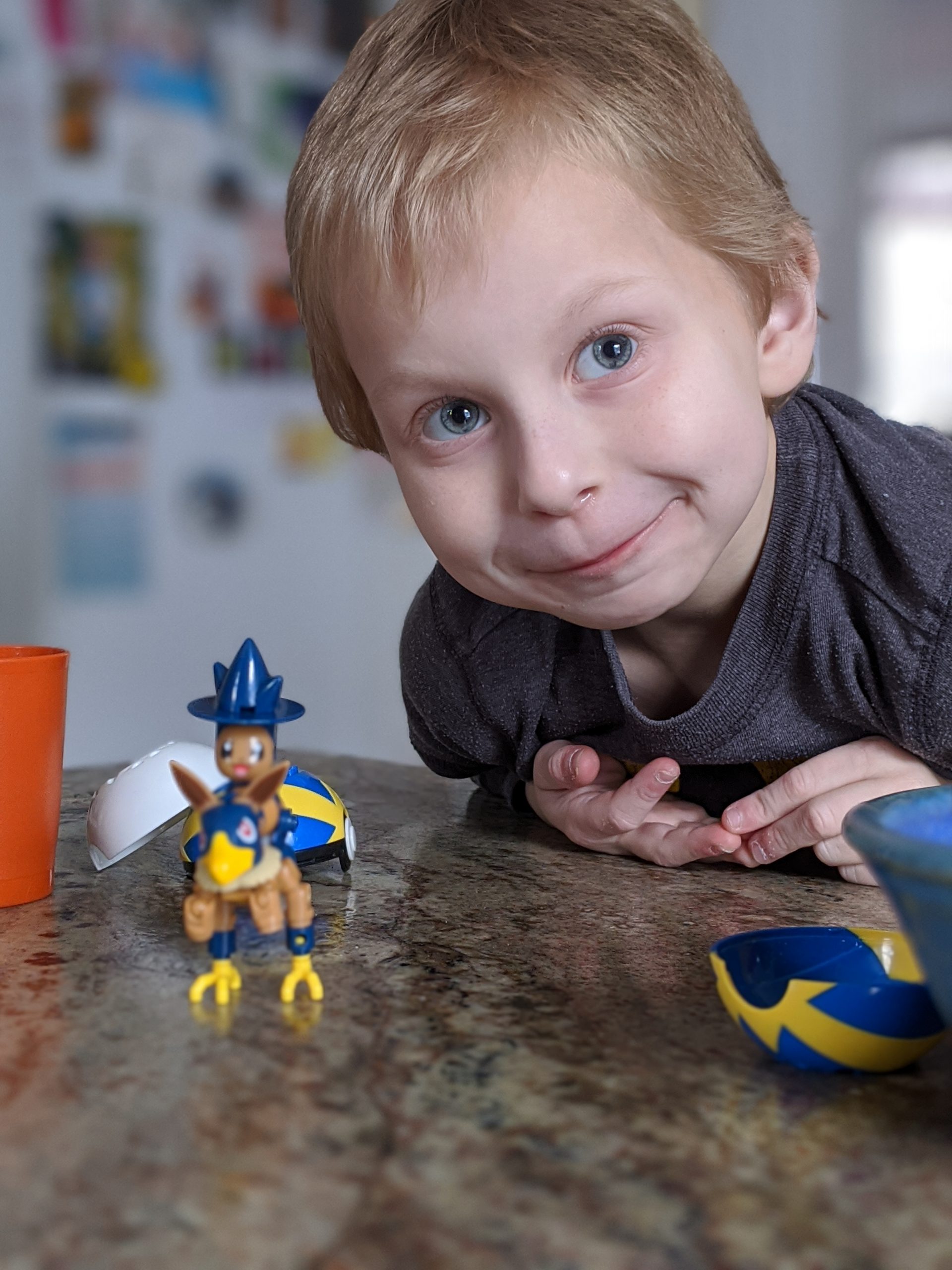
My husband and I have signed our names consenting for strangers to cut our child open and rewire his flawed body. We chose to put his literal heart in the hands of people we knew by reputation and professional pedigree alone. Those choices enabled our son to grow into a healthy, quirky, and charming second grader who loves Pokemon, drawing, and Thai noodles. Those choices also mean he will never get a tattoo, ride a water slide, or eat an original Amato’s Italian. While every decision was ultimately made by myself and my husband, all of our life-or-death choices were made in consultation with medical professionals. We learned, we read, we debated, we got second, third, and fourth opinions. And even though our lives were flipped upside down and inside out, our son is with us.
When I was nineteen weeks pregnant with my son, Hudson, a routine ultrasound revealed that he had a complex set of congenital heart defects. The doctor reviewing the results with us could offer no assurance that Hudson would survive to birth, much less beyond. Despite being tangibly pessimistic about our situation, he offered to refer us to a cardiologist for further testing. That was the first truly obvious parenting decision we had to make.
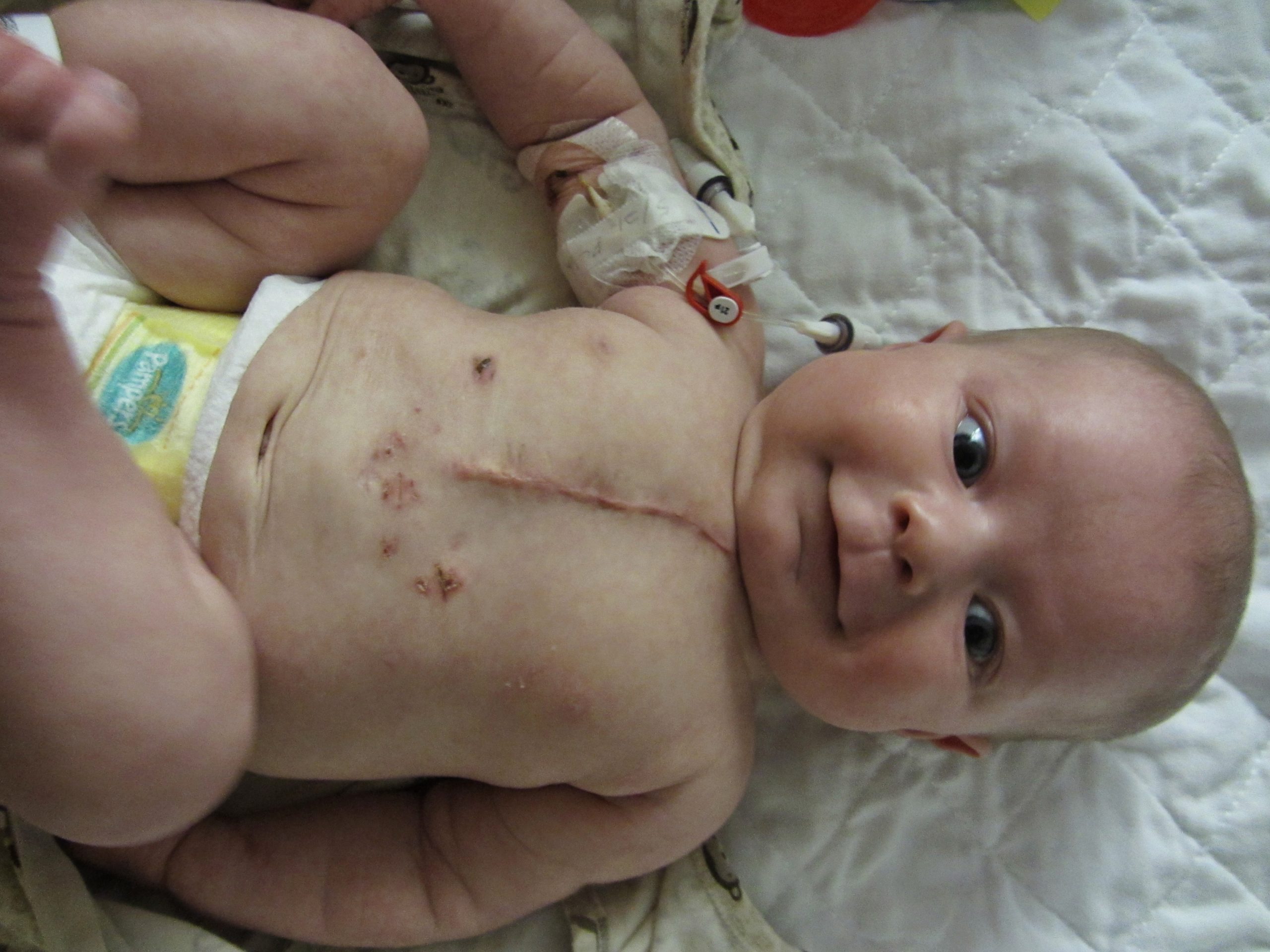
Our cardiologist assured us that yes, this child would live, but only if he had open-heart surgery at four days old, another open-heart procedure at around two years, and a third more complex, serious operation around age five. I would still be able to make some decisions about my pregnancy and birth, but most were out of my hands: where to deliver and when, who would be there, and what would happen to our baby immediately after his birth. The loss of choice in that moment was excruciating, but there really wasn’t a choice to make.
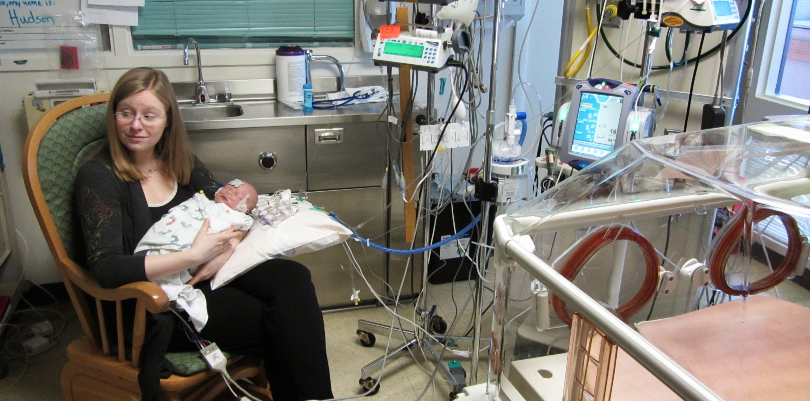
I was scheduled for an induction at 38 weeks, but I was already in labor when we got to the hospital. Nurses joked that I had chosen to start my own labor to circumvent medical interventions; this was one choice I like to think my body kept for itself. After he was born, my husband and I got to hold Hudson for a few seconds each, and then he was spirited off to be filled with tubes and covered with monitors in anticipation of his first surgery. We didn’t actually hold our child until he was being prepped for the operating room, and then didn’t again for almost a week during his rocky recovery.
Nearly every decision in his first month of life was based on medication schedules, oxygen saturation levels, blood test results, and nursing shift changes. As parents, the most we could choose was where to sit in his room, and even that depended on what monitoring equipment or medical students happened to be there at any given moment.
When Hudson unexpectedly went into heart failure at two months old, my husband and I were given the choice to either go home and “make him comfortable” or transfer him to Boston Children’s Hospital for additional testing. This was an obvious decision to everyone in the room, and the team in Boston immediately crafted a plan that — optimistically — would culminate with a heart transplant. Listing Hudson for a transplant was an obvious decision, and the ensuing cascade of massive revisions to our life plans were inevitable.
By this point, I struggled to stay polite when people called any aspect of our situation a miracle, a blessing, or part of some divine plan.
No. Hudson’s survival was not due to a benevolent deity or some twisted whim of the fates; he is alive today because of choices that we made as parents, choices that were made for us by world-class doctors who specialize in all of the quirky flaws with his body, and choices made by people in our community who knew we needed their help.
Hudson received his new heart a month to the day after being listed for an organ, and while there were still many challenges ahead, he began to thrive and heal immediately. Our doctors guided us to the right medications, lifestyle changes, and other choices that would shape our child’s future to one that was as close as possible to normal (whatever that is), despite the fact that his body was born ready to die.
Suffice to say, I am personally quite cynical about the role of faith in medicine. I put my faith in science and reason, and while I do believe in the inevitability of human compassion, I also recognize that many people can’t — or won’t — see a world beyond their own. Every choice we have made up to this point may become moot if Hudson contracts pertussis, measles, or another completely preventable disease. Even though he is fully vaccinated, his heavily compromised immune system means that exposure to any of these illnesses could land him in the ICU. Another parent’s choice to believe in fear over facts may kill my child, and while he has survived dying three times on the operating table, I am not willing to risk his life at the school cafeteria table.
Choice is a gift and a responsibility. When people’s medical choices are guided by misinformation or proselytism from biased, non-medical sources, we get outbreaks, epidemics, and a culture of paranoia and fear. If a parent chooses to put their own child at risk of contracting preventable and potentially fatal diseases, fine. That is a choice.
No one should not be able to make that choice for every other child in their school community, and the very fact that our state is still having this conversation boggles my mind.
If parents need to make a choice that could result in their child’s life ending prematurely, I deeply empathize with the stress of that decision (I’ve been there. It sucks.). Choosing to vaccinate is a life or death decision not just for that child, but for everyone in that child’s world. In years of discussing this issue with medical professionals, fellow parents, academics across disciplines, and stakeholders in my local community, I have yet to hear a single reason why I should accept a child carrying deadly diseases into my child’s classroom. We must vote No on Question One to ensure that every child has the opportunity to live a life filled with choices, because even the tough ones are still theirs to make.
Top photo: Sarah holds her son Hudson for the first time moments before he is brought to the operating room. | Courtesy of Sarah Gay

 Daily Updates