

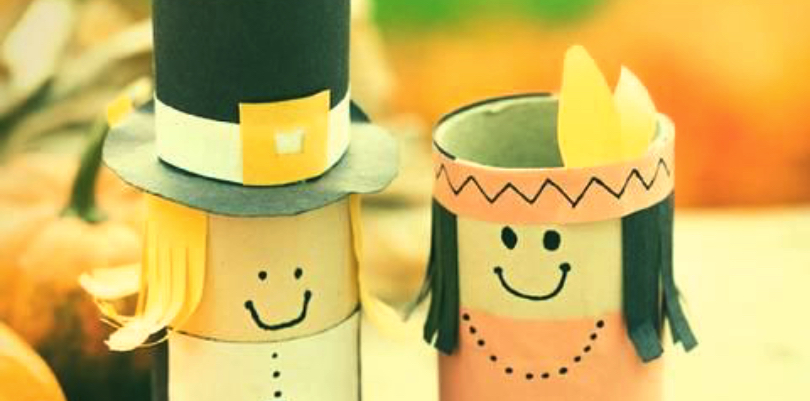
It seems that a standard part of the elementary school experience is to celebrate Thanksgiving by talking turkeys, pilgrims and the kind-hearted Indians that helped the immigrants survive the harsh New England pre-winter by showing them how to live off the land and nourish their tired, religious-freedom-seeking masses. History is indeed written by the winners and I’ve noticed that when we operate outside these sugar coated representations of the first Thanksgiving it causes a certain amount of anxiety among those who are concerned that political correctness will diminish the American experience into something seen as weaker and less…American.
Don’t fret, we don’t want to take your turkeys. However, in my work over the years I have found that groups that span racial, political, and social divides operate best when they embrace our shared and separate realities. Although none of us are to blame for the past, we all have sprung from it and those circumstances have elevated some to a place of privilege and left others oppressed.
When I see Thanksgiving taught in schools to tiny, adorable kids settled around a table with half wearing the black buckled hats of pilgrims and half wearing the bright construction paper feathers of “Indians,” I wonder why we have the need to teach this holiday the way we do. Is it more palatable to present a picture of unity and friendship than to talk about the conflict, diseases, violence, and colonization of this country? If we delve into the saga of the settlers seeking to conquer and eliminate the Indigenous people through acts of genocide and destruction, will these children grow up questioning America and its bloody roots? Why can we teach the genocide of World War II and the horrors of slavery but school children don’t learn that the Wabanaki people of Maine were hunted like animals as bounties were placed on our scalps?
I like friendship. I like unity. I want my kids – Penobscot citizens ages 9 and 12 – to learn about the times in history when differences were set aside and people came together to help one another. The world needs more of those lessons. However, it is a disservice to them, and all children, if this is all they learn. That the tribal people faded happily into the landscape after offering their assistance and that the settlers admired them from afar and remained thankful for the maize crops and good advice is not a reality.
One of the modern day impacts of white washing history is that Indigenous people are still the only racial group whose slurs and stereotypes are widely accepted and validated by institutions. On Thanksgiving Day, when you turn on the TV, you will see the Washington Redskins playing a football game. Fans will be wearing fake feathers and war paint and they will be perpetuating a racial slur that describes a method of skinning our ancestors alive. They will cheer for passes thrown and yards run while we reflect on the sadness that persists when we feel our ancestors sacrificed so much yet we are still seen as less than human.
Reality doesn’t hurt half as much as ignoring it does. For those of you reading this, even if you don’t agree, I am thankful. Seeds of understanding take time and care to nurture but empathy and compassion can grow. My ancestors grew corn to feed the pilgrims. Now we grow a sense of shared humanity and that needs to be extended both ways.

 Daily Updates