

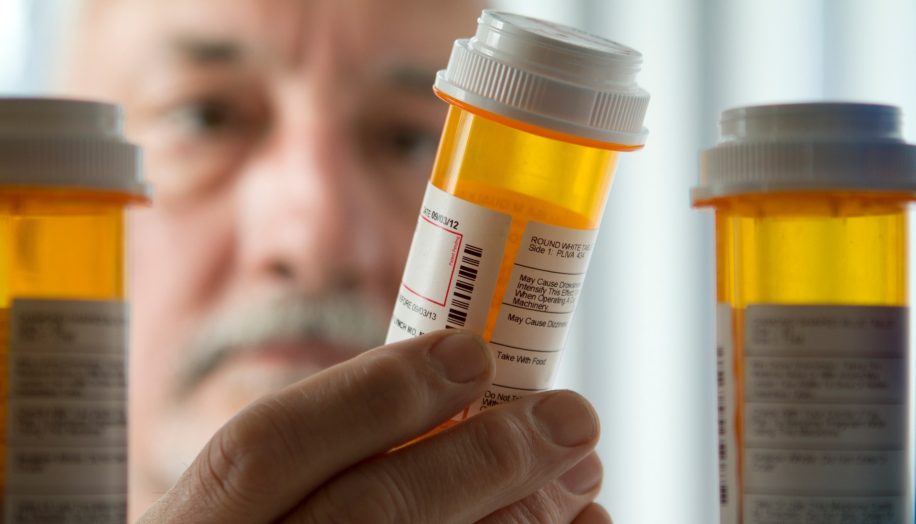
Mainers struggling to afford their prescription medications have an opportunity to share their experiences with state officials as Maine considers new strategies to lower drug costs.
The Maine Office of Affordable Health Care is accepting public comments through Nov. 30 about the financial and other barriers residents face in accessing necessary medications. The comments will be shared with the state’s Prescription Drug Affordability Board, which is developing recommendations for lawmakers on how to make prescription drugs more affordable.
Ann Woloson of Consumers for Affordable Health Care said rising prescription drug costs are forcing Mainers to make difficult choices between their health and other basic necessities, even when they have insurance.
“They are forced to make difficult decisions about putting fuel in their tank to heat their home, pay their rent, put food on the table or, buy the drug they need, with many putting off filling the prescription,” Woloson said. “This likely means illness will go untreated and become worse which puts more financial strain on family budgets and can create unnecessary medical debt.”
A 2026 survey released by Consumers for Affordable Health Care found that more than four in ten Maine households had incurred medical debt in the previous two years. Among those with medical debt, 51% said prescription drug costs contributed to what they owed.
The survey also found that roughly one in three Mainers had tried to self-medicate or find alternatives to recommended treatment because of costs, including delaying prescriptions, leaving them unfilled or cutting pills in half to make medication last longer.
Maine’s Prescription Drug Affordability Board was established in 2019 to develop strategies for reducing prescription drug spending by public health plans. Legislation enacted earlier this year expanded the board’s responsibilities, directing it to study additional ways to lower prescription drug costs for Maine residents.
Under the new law, the board must examine a range of policy options, including strategies to reduce what patients pay out of pocket, and provide detailed recommendations to the Legislature by October 2027.
Woloson said hearing directly from Mainers will help the board identify solutions that address the barriers people face in getting necessary medications.
“The Board can use what they hear from Mainers in developing recommendations for policy solutions to address costs and other barriers they face in accessing the prescription medicine they need,” she said.
Among the options Woloson said she hopes lawmakers will consider are using Medicare-negotiated drug prices and establishing limits on what Maine’s publicly funded health programs pay for certain expensive medications, approaches being pursued in other states.
Mainers can submit comments by emailing [email protected] by 5 p.m. Monday, Nov. 30.

 Daily Updates